

⏱ 2 min read · 🧠 Cold Trivia · March 2026
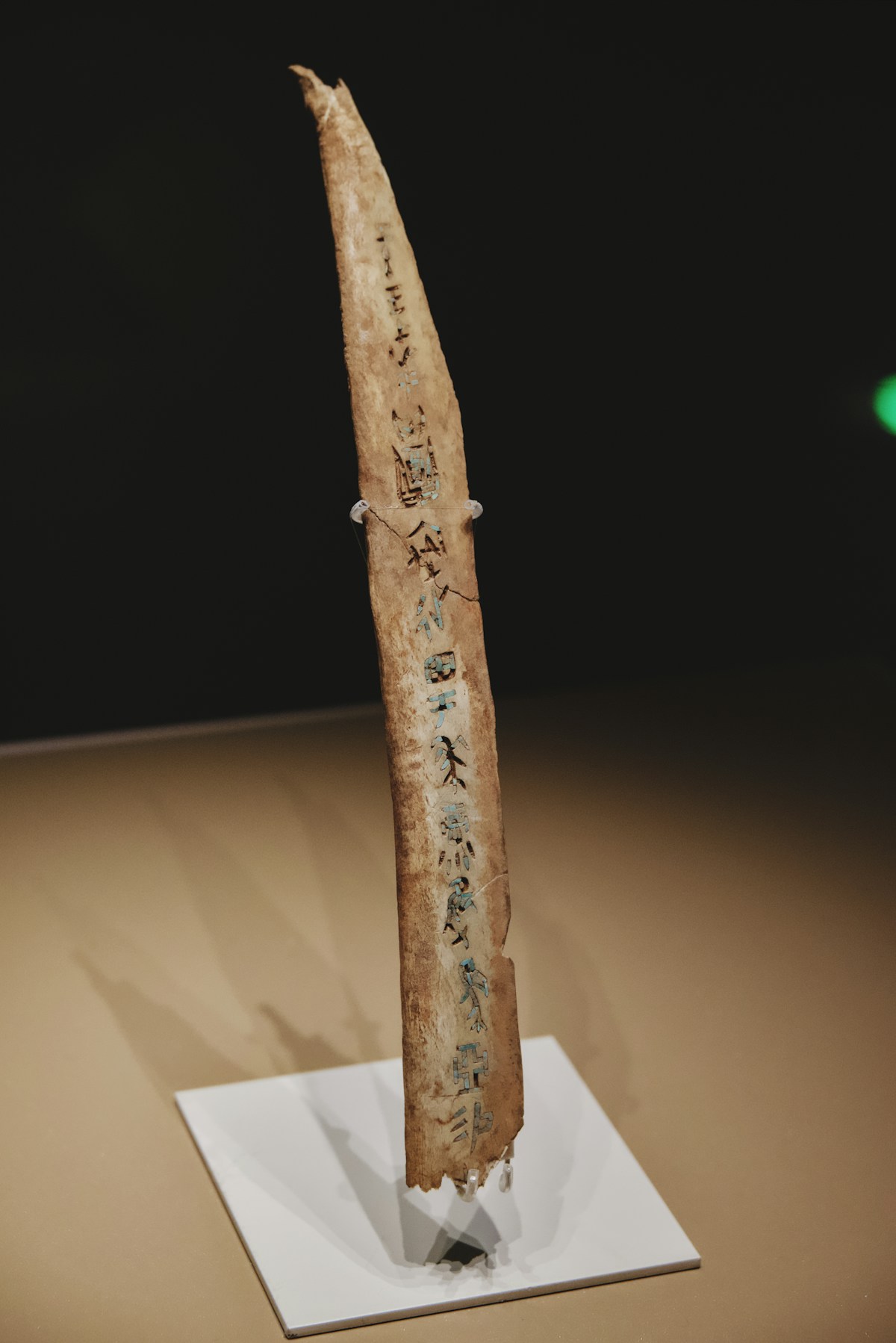
The bones of ancient animals, repurposed for speed across ice. This is where your rental fleet started. Photo: Unsplash
🧠 Cold Trivia — Vol. 1
Ice skating is one of the oldest forms of human transportation. How old are the earliest known ice skates?
A: 500 years · B: 2,000 years · C: 5,000 years · D: 10,000 years
Think you know? Scroll to the bottom for the answer. ↓
While you think about your answer — here's a short history of ice skating from bone to blade. The real origin story might surprise you.
From 5,000-year-old bone skates to the modern steel blade — a surprisingly deep history. Via Ted Talks Hockey / YouTube.
Why Bone Skates Changed History
Finland's geography is a network of lakes — hundreds of thousands of them, frozen solid every winter for months. Walking around a frozen lake in sub-zero temperatures wastes precious energy and daylight. Crossing it on bone skates was faster, cheaper in calories, and practically lifesaving.
Researchers at the University of Oxford (Federico Formenti) and the University of Milan (Alberto Minetti) actually tested replicas of bone skates and measured their efficiency. Their conclusion: skating across frozen lakes was 10 times more energy-efficient than walking around them. In a world without roads, refrigeration, or grocery stores, that efficiency advantage was enormous.
💡 The bone skates didn't have a metal blade. They worked by compressing the bone against the ice and gliding on a thin film of water — not the edge-based skating we know today. The steel blade wasn't introduced until the 13th-14th century in the Netherlands. That's when ice skating stopped being transportation and started becoming a sport.

From ancient bone to precision steel — 5,000 years of human ingenuity on ice. Photo: Unsplash
The Line From Bone Skates to Your Rink
Five thousand years of human beings strapping things to their feet to move across ice. From animal bones in Finland to composite boots and precision-ground steel in your rental fleet today.
Next time a beginner laces up at your rink and wobbles onto the ice for the first time, they're joining a 5,000-year tradition. That's not bad for a Tuesday evening public session.
🧠 The Answer
C: About 5,000 Years Old
The earliest known ice skates date back approximately 5,000 years — made from animal leg bones by ancient Finns. Not for sport. For survival. They glided on a thin film of water compressed from the bone against the ice, long before metal blades existed. Every skater who laces up at your rink today is part of that 5,000-year tradition.
Sources:
- Wikipedia: Ice skate — history and origins
- Live Science: The 5,000-Year-Old Origin of Ice Skating (University of Oxford study)
- Ancient Origins: Gliding Over 5,000 Years of Frozen Waters
Written by the team at American Athletic Shoe Co. · Family-owned since 1959. We've been making skates since before most of your grandparents were born — but we've got nothing on 5,000 years.
Want more like this? Subscribe to Cold Cuts →
👋 Know a rink operator who'd love this? Share it with them: